Founded in Truth Fellowship - Bible Teachings and Sermons
Founded in Truth Fellowship is a Messianic Fellowship in Rock Hill, SC that provides Biblical teachings, fellowship, and resources for Biblical studies. Founded in Truth Fellowship is able to spread the gospel and the word of Yeshua because of supporters like you. If Founded in Truth has been a blessing to you or your family, we ask that you would give so that the same messages can bless others. To give to Founded in Truth Fellowship, click this link ”https://foundedintruth.com/give”
Listen on:







Episodes
Saturday Mar 21, 2020
Saturday Mar 21, 2020
Why Psalms Matter
This Bible teaching from Founded in Truth Fellowship, likely delivered by Matthew Vander Els, explores the profound significance and enduring relevance of the Book of Psalms in the Hebrew Bible, also known as the Old Testament. The core message emphasizes that the Psalms are not merely ancient writings but are deeply personal, emotionally resonant, and surprisingly applicable to the challenges and joys of contemporary life. The teaching encourages listeners to view the Psalms as a "treasury" filled with "various and resplendent riches," as John Calvin described it, an "anatomy of all parts of the soul" that allows individuals to connect with the raw and honest expressions of faith from people living thousands of years ago.
The speaker highlights that after encountering the narrative and commandments in the earlier books of the Bible, the Psalms offer a unique window into the lives of those who were striving to live according to God's law in the midst of a complex world. These are the voices of individuals grappling with the tension between divine instruction and the realities of their experiences, expressing a wide spectrum of emotions from elation and praise to anger, disappointment, and despair. Understanding the Psalms as the heartfelt prayers and reflections of people in the "trenches of life" provides a humbling and insightful perspective on our own struggles and our communication with God.
Understanding Genre in Psalms
A crucial aspect of understanding the Psalms, according to the teaching, is recognizing their literary genre – primarily poetry. Just as recognizing the genre of Paul's letters (epistles) or historical books like Chronicles is essential for proper interpretation, understanding that Psalms are poetry helps readers appreciate their emotional and figurative language rather than expecting purely narrative or instructional content. Within the broader category of poetry, the teaching delves into specific sub-genres, namely hymns and psalms of lament, to illustrate the diverse ways in which the psalmists communicated with God.
Hymns: Expressions of Praise
Hymns within the Psalms are characterized by their exuberant and unreserved praise and exultation to God. These psalms often begin with a direct call to worship, such as "Praise the Lord" or "Bless the Lord." This phrase, "Praise the Lord," is identified as the familiar "hallelujah," a spontaneous expression of joy and gratitude for God's goodness, mercy, and provision. When reading these hymns, it is encouraged to recall personal experiences where the phrase "hallelujah" was used with genuine passion, allowing those same emotions to resonate with the ancient text.
The most powerful aspect of these hymns lies in the specific reasons given for God's praise, focusing on His active involvement and relationship with individuals and the community rather than abstract notions. The teaching also mentions Zion Psalms, a specific category of hymns that lift up Mount Zion and Jerusalem, not for their physical grandeur, but because they represent the place where God made His presence known, symbolically bridging heaven and earth through the temple. The emphasis here is that God's presence, not the physical location itself, is the true source of awe and reverence.
Psalms of Lament: Cries of Distress
In stark contrast to the joyful hymns, the Psalms of lament delve into the deeply uncomfortable and often depressing realities of human suffering and struggle. These psalms are not characterized by praise but by raw expressions of torment, fear, anxiety, and a sense of abandonment by God. The psalmists cry out for salvation, questioning God's whereabouts and even expressing anger and frustration at their circumstances, as seen in Psalm 88. The inclusion of such raw and unfiltered emotions in the Bible underscores God's acceptance of the full spectrum of human experience in our communication with Him.
Psalm 22 is presented as a powerful example of a lament, beginning with the agonizing cry, "My God, my God, why have you forsaken me?" The teaching emphasizes that while this psalm expresses deep distress and a feeling of being abandoned, the author ultimately turns to God as the only source of hope, oscillating between despair and a reminder of God's past faithfulness. This back-and-forth struggle serves as a template for prayer during tough times, demonstrating that it is okay to express doubt and struggle while still clinging to faith in God. Notably, Psalm 22 is the same psalm that Yeshua (Jesus) quoted while being crucified, highlighting its profound significance in moments of extreme suffering.
Application for Everyday Life
Engage with Psalms in Prayer: The Psalms offer a rich vocabulary and framework for expressing the full range of human emotions to God, from exuberant praise to deep lament. Use them as a guide when you struggle to find the words for what you are feeling.
Acknowledge and Express Difficult Emotions: The Psalms demonstrate that it is acceptable and even encouraged to bring feelings of anger, fear, doubt, and sadness to God in prayer. Do not feel the need to censor your emotions when communicating with Him.
Remember God's Faithfulness: In times of distress, follow the example of the psalmists by actively recalling instances of God's faithfulness in your own life and in the lives of others. This "resume" of God's goodness can be a powerful source of hope and encouragement.
Recognize the Importance of Community: The longing for community worship expressed in the Psalms highlights the vital role of fellowship in sustaining faith and providing support, especially during difficult times. Actively engage with your faith community when possible.
Practice Inner Dialogue and Self-Encouragement: Like the author of Psalms 42-43, engage in internal reflection and challenge feelings of despair by reminding yourself of God's promises and your hope in Him.
Be Mindful of Your Communication: Consider how your words might impact others who are going through crises. Strive to offer support and encouragement rather than becoming a source of distraction or doubt.
Find Comfort in God's Presence During Isolation: The Psalms speak to feelings of being alone or "quarantined," reminding believers that God's presence is constant, even when physical community is limited.
For more Bible Teachings, visit our website.
References
Bible Verses
Psalm 1
Psalm 3
Psalm 22
Psalm 42
Psalm 43
Psalm 88
Books and Resources
How to Read Psalms by Tremper Longman III
Praying the Psalms by Walter Brueggemann
Note: This article contains affiliate links.

Saturday Mar 14, 2020
Saturday Mar 14, 2020
Fear of Tomorrow - Praying the Psalms
Finding Truth and Family in Fellowship
Matthew Vander Els, pastor of Founded in Truth Fellowship, opens this message by welcoming listeners to a community that values truth and love, a place for worship and belonging. The central theme of this teaching is how to navigate fear and anxiety by looking to the scriptures, specifically the Book of Psalms, as a guide for prayer. While acknowledging current events and worldly concerns that may trigger fear, the message emphasizes that the principles found in the Psalms offer a more profound and lasting approach to dealing with these emotions, rather than just addressing isolated incidents.
The Universal Experience of Crisis and the Question of Prayer
Throughout history, every civilization and generation has faced times of crisis and lament. On an individual level, these challenges might manifest as sickness, financial stress, job loss, or concerns for loved ones. In such times, believers often turn to prayer. However, the question arises: how should we pray? Is there a framework or a template that can guide our communication with God during these difficult moments? Historically, within the Jewish tradition and early Christianity, scripted prayers were common. While some modern Christian traditions criticize this as potentially stifling the Holy Spirit, the reality is that most people learn to pray by observing or hearing others.
The Book of Psalms: A Raw and Authentic Collection
The Book of Psalms is presented as a vast collection of poems, songs, and prayers compiled over many generations, eventually finding its place in the Hebrew Bible. This collection offers a genuine and unfiltered look into how people of faith throughout history approached God in various circumstances, including joy, prosperity, worship, but also death, fear, anxiety, and chaos. Reading the Psalms can be a powerful experience because of their raw emotional honesty. Some Psalms, like Psalm 137, even contain expressions of intense pain and anger, reflecting the very human struggle to reconcile life's difficulties with faith in God. The context of Psalm 137, written during the Babylonian exile, highlights the deep suffering and desire for justice felt by the authors. It's crucial to understand that while the Psalms record these intense emotions, they do not necessarily endorse the actions or desires expressed within them. Instead, they invite us into the emotional landscape of those who came before us in faith.
Psalms as a Connector to Human Experience
Old Testament scholar Walter Brueggemann, in his book "Praying the Psalms," suggests that the Psalms, with few exceptions, are not the voice of God speaking to us, but rather the collective voice of humanity across time, grappling with enduring human issues and possibilities. When we engage with the Psalms, we join this ongoing human conversation, expressing our own joys and anguishes alongside those who have come before us. The Psalms stand in contrast to the books of Torah, where God primarily speaks to humanity through commands and expectations. Instead, the Psalms represent the human experience of trying to live out those divine words in a flawed and challenging world. This can often be a messy process, and the Psalms reveal that God is not only capable of handling this messiness but also welcomes our raw and honest expressions. By bringing our deepest fears, angers, and vulnerabilities to God in prayer, we allow Him to become the source of healing and comfort He has promised to be. God is not unfamiliar with our fears, anxieties, worries, and doubts, just as He is present in our moments of joy and gratitude.
Understanding Fear and Anxiety
In contemporary society, fear is a pervasive topic, often amplified by social media. However, it's important to distinguish between fear and anxiety. Fear, in its basic form, is a healthy and God-given human function that helps us avoid danger and prevent foolish actions. It is often linked to the fight or flight mechanism, providing heightened alertness and focus in the face of immediate threats. Anxiety, on the other hand, is a more persistent and nagging form of fear that doesn't always require a direct trigger. While a managed level of anxiety can even be a motivator for productivity, unchecked anxiety can lead to panic attacks. The teaching emphasizes that God understands both fear and anxiety and provides a way to process these emotions through prayer, using the Psalms as a guide.
Psalm 3: A Model for Prayer in Times of Fear and Anxiety
Psalm 3 is presented as a powerful example of a "Psalm of lament," where the author cries out to God in distress. This particular Psalm offers a template for how believers can approach God when facing circumstances that cause doubt, anxiety, and fear. The Psalm begins with the superscription, "A Psalm of David, when he fled from Absalom his son." This historical context is crucial for understanding the raw emotions expressed in the Psalm. King David, typically envisioned as a mighty warrior and king, was in a vulnerable and terrifying situation, fleeing for his life from his own son's rebellion and facing thousands of pursuing soldiers. This scenario of betrayal and threat provides a backdrop for David's prayer, making it relatable even to those who haven't faced such extreme circumstances. The Psalm serves as a model for how to engage God in different seasons of life.
Three Segments of Prayer in Psalm 3
The prayer in Psalm 3 can be broken down into three distinct segments:
Identifying the source of fear: David begins by clearly stating what is causing his fear and anxiety: "Many are rising against me." He is not only facing physical danger but also the psychological and emotional weight of betrayal by his own family and the desertion of his people.
Identifying God's role in contrast to this fear: In verses three and four, David shifts his focus from the source of his fear to the character and role of God: "But you, O Lord, are a shield about me, my glory, and the lifter of my head." David uses three powerful metaphors to describe God: a shield, his glory, and the lifter of his head.
Giving it over to God: The final segment of the prayer involves David handing his fears over to God with assurance and trust: "I lay down and slept and awoke again, for the Lord sustained me." Despite the multitude opposing him, David declares he will not be afraid because he knows the Lord sustains him.
Application for Everyday Life
Identify Your Fears and Anxieties: Take time to recognize and name the specific sources of fear and anxiety in your life.
Compare Your Fears to God's Character: Reflect on the attributes of God – His power, love, faithfulness, and justice – and contrast them with the things that are causing you fear.
Pray Honestly and Emotionally: Follow the example of the psalmists by expressing your raw emotions to God without holding back.
Trust in God's Sustaining Power: Remember that God has sustained His people throughout history and continues to do so today.
Give Your Fears Over to God: Consciously release your anxieties and fears to God, trusting in His ability to handle them.
Seek Community and Prayer Support: Connect with fellow believers and allow them to pray with and for you.
Focus on God's Mission: When your focus is on God and His purposes, worldly fears and anxieties can lose their grip on your identity and value.
For more Bible Teachings, click the link.
References
Psalm 137
Psalm 3
Books and Resources Mentioned
Praying the Psalms by Walter Brueggemann
Note: This article contains affiliate links.
Saturday Feb 29, 2020
Saturday Feb 29, 2020
Sure! Please provide the content you'd like formatted with internal links, and I'll structure it accordingly while following your specified rules.
Note: This article contains affiliate links.
Saturday Feb 22, 2020
Saturday Feb 22, 2020
The Torah and the Author's Intent
During a teaching session at Founded in Truth Fellowship, Matthew Vander Els explored the significance of understanding the author's intent when reading the Torah, the first five books of the Bible. He emphasized that the biblical authors were not simply recording random events, but rather carefully and intentionally selecting what to include in their writings. Every word, every shift in perspective, and every focused detail serves a purpose in conveying a deeper message.
The speaker highlighted that readers should move beyond a superficial understanding of biblical narratives and recognize the deliberate choices made by the inspired writers. Just as a film director focuses the camera on specific aspects of a scene to draw the audience into the story, the biblical authors used their writing to highlight particular truths and encourage readers to become part of the narrative. By understanding this, we can move away from treating the Bible as a mere divine encyclopedia filled with disconnected facts. Instead, we can appreciate the trajectory of the literature and the wisdom it aims to cultivate in our lives, ultimately centering around the figure of Yeshua (Jesus).
One key aspect discussed was the importance of noticing changes in perspective within the biblical text. For example, in Exodus 32:14, which recounts Moses's plea for Israel after the golden calf incident, there is a shift from a first-person perspective of Moses speaking to God to a narrator describing the outcome. This change in viewpoint, the speaker suggested, is a deliberate artistic choice to provide a different lens through which to understand the event. To illustrate this point, he referenced Jacques-Louis David's painting "The Death of Socrates," where the artist includes Plato, even though Plato was not physically present at Socrates's death. This inclusion, the speaker proposed, might be to deepen the emotional impact or to symbolize Plato's role in documenting the event. Similarly, biblical authors make choices about what to include and how to present it to convey their intended meaning.
The teaching also delved into the use of metaphor in the Bible to add richness and depth to its message. A metaphor uses an object or concept in a non-literal way to create a more vivid and impactful understanding. The speaker cited examples such as describing an early riser as an "early bird" to illustrate how metaphors bring imagination into communication. In the context of Scripture, he highlighted Jesus being called "the bread of life," which conveys more than just the idea that Jesus gives life; it speaks to sustenance, vitality, and the very essence of life in the first-century context. Another powerful metaphor discussed was in 2 Timothy 3:16, which states that "all scripture is God-breathed." This doesn't literally mean God has lungs, but it powerfully conveys that Scripture originates from the very life and essence of God.
A specific metaphor in Exodus 34:6, describing God as "slow to anger," was examined in its Hebrew context. The Hebrew words "arech afayim" literally translate to "long nostrils" or "big nose." The speaker explained that in the ancient world, heavy breathing and flushing were associated with anger. Therefore, the metaphor of God having "long nostrils" suggests His capacity for patience and not being easily overwhelmed by human failings. This understanding adds a profound dimension to God's character as described in the Torah.
The narrative of the Israelites' journey through the wilderness, particularly the transition from slaves in Egypt to an organized army in the Book of Numbers, was also highlighted. This shift signifies a change in their identity and status – no longer were they defined by their bondage, but by their belonging to God. The census taken at the beginning of Numbers, while seemingly mundane, represents the organization of God's people into a fighting force, commissioned by Him. The speaker encouraged listeners to imagine the pride and honor felt by those who were once slaves now being recognized as soldiers in God's nation. This story, he argued, is meant to be engulfing, allowing us to feel the transformation and the significance of belonging to God.
Drawing a parallel to the New Testament, the speaker explained that the story of Israel is a precursor to the coming of Yeshua. Just as Moses came down from Mount Sinai with the glory of God, ushering it into the tabernacle, Yeshua also manifested God's glory. Furthermore, just as the Israelites received a new status and life after their exodus from Egypt, believers in Yeshua receive a new status and eternal life, freed from the slavery of sin and death. This is portrayed through baptism, symbolizing dying to our old selves, just as the Israelites symbolically died to Egypt by crossing the Red Sea. The giving of the Holy Spirit at Pentecost, with the imagery of fire, mirrors the glory of God descending on the tabernacle, signifying God's presence dwelling with His people.
For more Bible Teachings, click the link.
Application for Everyday Life
Read the Bible intentionally: Recognize that every part of Scripture, especially the Torah, was carefully written with a specific purpose and perspective.
Seek deeper meaning: When reading biblical narratives, ponder the reasons behind the author's choices in focus, detail, and perspective shifts.
Engage with the stories: Allow yourself to be drawn into the biblical narratives, experiencing the emotions and significance of the events alongside the characters.
Understand metaphors: Pay attention to the metaphors used in Scripture to gain a richer understanding of God's character and His relationship with humanity.
Reflect on identity: Just as the Israelites' identity transformed from slaves to soldiers, recognize your new identity as a child of God and a follower of Yeshua.
Invite God into daily life: Don't limit your experience of God to special "mountaintop" moments, but invite Him to be present in the mundane and challenging aspects of your everyday life.
Live as image bearers: Consciously strive to reflect God's character – His mercy, grace, and forgiveness – in your interactions with the world, allowing others to see whose you are.
Embrace your status in Christ: Recognize that through Yeshua, you have a new status, freed from the bondage of sin, and are part of God's kingdom.
Be empowered by the Spirit: Remember that the same Spirit that raised Jesus from the dead dwells within you, enabling you to live boldly and fulfill your calling.
Continuously grow: Avoid spiritual stagnation by consistently seeking a deeper relationship with God and allowing His presence to transform every area of your life.
References
Exodus Biblehub.com
Judges Biblehub.com
Matthew 18 Biblehub.com
Books and Resources Mentioned
The Art of Biblical History by Dr. Phil Long
Books by John Walton on the Bible
The Great Divorce by C.S. Lewis
Chronicles of Narnia by C.S. Lewis
Note: This article contains affiliate links.
Saturday Feb 08, 2020
Saturday Feb 08, 2020
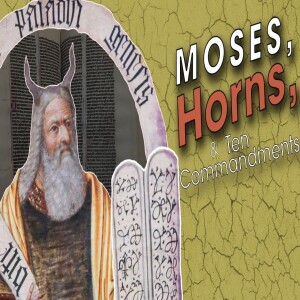
Moses, Horns, and the Ten Commandments
Welcome to Founded in Truth, a community that seeks something bigger than ourselves, a family built on truth and love, where we gather to worship God. Today's message, as introduced by Matthew Vander Els, delves into the fascinating history and profound meaning of the Ten Commandments, or the Ten Words, exploring not just their literal interpretations but also their broader implications for our lives and our community. We will journey through the different ways these commandments have been understood throughout history and consider how they continue to shape our understanding of God and our relationships with one another.
The Ten Commandments: A Journey Through History
It is intriguing to discover that the way the Ten Commandments have been counted and understood has varied across different religious traditions. Judaism, the Catholic and Lutheran traditions, and the Reformed tradition, with which we are largely familiar, have all approached the enumeration of these foundational principles in slightly different ways. This historical variation is both humbling and exciting, prompting us to consider the question, "Which one is right?" However, perhaps the most valuable aspect of this exploration lies not in finding a definitive answer, but in the process of discussion and the journey toward understanding the text together as a community.
This idea resonates with the way Jesus, or Yeshua, often interacted with his disciples and others. Instead of simply declaring himself as the Messiah, he would ask questions, inviting conversation and allowing individuals to arrive at their own understanding. Consider his question to his disciples, "Who do you say I am?" This approach highlights the importance of engaging with the text and with each other, vitalizing the words in our relationships and thinking as a community of followers. Just as Jesus didn't end the conversation with Peter after he began to doubt while walking on water, but instead asked, "Why did you doubt?" we are encouraged to continue the dialogue and exploration of God's word.
Engaging with God: Lessons from Jesus's Encounters
The encounter of Jesus with the invalid at the pool of Bethesda further illustrates his desire for connection and conversation. Jesus could have simply healed the man instantly, but instead, he asked, "Do you want to be healed?" This question wasn't for his own knowledge, but to engage the man, to hear his story, and to make the miracle a part of a relationship rather than just a display of power. The man, who had been disabled for 38 years, a period longer than most people lived at that time, expressed his helplessness and his desire for healing. Jesus's subsequent command, "Get up, take your bed and walk," was preceded by an invitation to connect, emphasizing that it is never too late to have a conversation with Jesus. He asks us similar questions today: "Do you want peace? Do you want to move closer to me? Do you want to enter into life that spans eternity?" These questions are invitations to a deeper relationship with him.
The Radiant Face of Moses: Beyond the Horns
Our exploration of biblical history also brings us to the fascinating account of Moses receiving the Ten Commandments. In Exodus 34:29, we read about Moses descending Mount Sinai with the two tablets of stone. A peculiar aspect of this passage involves the translation of the Hebrew word "Quran." When Saint Jerome translated the Bible into Latin, creating the Vulgate, he encountered "Quran" used as a verb to describe Moses' head. While "Quran" as a noun is frequently translated as "horn" throughout the Hebrew Bible, the verb form, used only three times and always concerning Moses' head, was also interpreted as "horned" in the Vulgate.
This translation had a significant impact on how Moses was depicted in Christian art for centuries. For most of Christian history, including during the time Michelangelo was commissioned to sculpt Moses, he was often portrayed with horns. Medieval paintings and sculptures, such as one in the church of Valencia in Spain and a 14th-century sculpture at New College, Oxford, reflect this tradition. However, the noun "charon," meaning horn, is also used metaphorically in the Bible to represent strength or a ray of light. For example, Hannah's prayer in 1 Samuel 2:1 speaks of her "horn" being exalted, signifying her strength. Similarly, in Habakkuk 3:4, God's splendor is described with "rays" or "charon" flashing from his hand.
Understanding this metaphorical use helps us interpret Exodus 34:29 more accurately. Instead of Moses literally having horns, the passage should be understood to mean that the skin of his face was radiant or shining with glory after his encounter with God. This is how modern, responsible translations interpret the text, and it aligns with how New Testament authors, like Paul in 2 Corinthians 3:7, understood it, describing the glory that came forth from Moses' face. This correction in understanding highlights the importance of careful textual analysis and historical context when interpreting the Bible.
For more Bible Teachings, click the link.
Application for Everyday Life
Engage in meaningful conversations about faith: Like Jesus, ask questions and explore biblical truths together with others. Don't be afraid of discussions, even debates, as the journey toward understanding can strengthen relationships.
Seek a deeper relationship with Jesus through conversation: Take time to talk to Jesus, sharing your needs, desires, and concerns. Just as he asked the invalid, he asks us, "Do you want to be healed? Do you want peace?"
Look beyond superficial interpretations of scripture: Delve into the historical and cultural context of the Bible to gain a richer understanding. Be open to the possibility that interpretations have evolved over time.
Honor your parents: Recognize their role as covenant partners and the importance of transmitting faith and wisdom across generations. Show care, respect, and support for them.
Value and protect human life: Uphold the inherent worth of every individual within your community.
Cherish the sanctity of marriage: Protect and nurture your own marriage and respect the marriages of others. Recognize the sacred covenant made in that moment.
Practice honesty and integrity: Let your word be trustworthy and avoid misrepresenting others.
Cultivate contentment and trust in God's provision: Guard your heart against covetousness and learn to trust in God's care for your life.
Remember the heart behind the commandments: Strive for inward transformation rather than just outward compliance. Let your motivations be rooted in love for God and neighbor.
See the law as a means to know God better: Understand that the commandments are not just a list of rules, but a way to understand God's character and live out your purpose in the world.
References
Exodus 20:1
Exodus 34:29
1 Samuel 2:1
Habakkuk 3:4
2 Corinthians 3:7
Bearing God's Name: Why Sinai Still Matters by Carmen Imes
The Bible by Various Authors
Note: This article contains affiliate links.
Saturday Jan 25, 2020
Saturday Jan 25, 2020
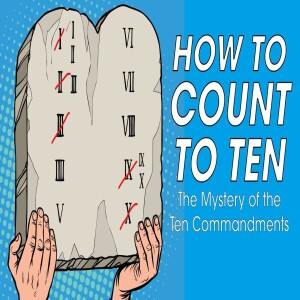
How to Count to Ten - The Mystery of the Ten Commandments
In this engaging Bible teaching from Founded in Truth Fellowship, pastor Matthew Vander Els explores the profound significance of the Ten Commandments, often referred to in the original Hebrew as the "Aseret Debarim," or the ten words or sayings. The message delves into the historical context of these divine instructions given in the book of Exodus, starting from the Israelites' liberation from slavery in Egypt. It emphasizes that these commandments are not merely a checklist of rules but rather an invitation into a deeper relationship with God and a guide for living a life that reflects His character to the world.
The teaching highlights the remarkable shift in the biblical narrative from the story of Abraham and his descendants in Genesis to the enslavement and suffering of the Israelites in Egypt in Exodus. It points out that God heard the cries of His people in their distress, a recurring theme throughout the Old Testament, demonstrating God's responsiveness to human suffering. This understanding sets the stage for the giving of the law at Mount Sinai, a pivotal moment where God formally establishes His covenant with Israel.
The Puzzle of Counting to Ten
One of the fascinating aspects discussed is the different ways in which the Ten Commandments have been counted throughout Christian history. Despite the common understanding of there being ten, the Bible itself doesn't explicitly number or delineate them in a way that leaves no room for interpretation. This leads to various traditions in Judaism and Christianity having distinct ways of counting.
The Jewish tradition generally considers the preamble, "I am the Lord your God, who brought you out of the land of Egypt, out of the land of slavery," as the first of the ten sayings. Consequently, the prohibition against graven images is often grouped with the commandment against having other gods.
The Catholic view similarly includes the preamble with the prohibition of other gods and also tends to group the verses about graven images together. Interestingly, the Catholic tradition often separates the commandment against coveting into two distinct parts: not coveting your neighbor's wife and not coveting your neighbor's goods.
The Reformed (Protestant) view, which is perhaps the most familiar to many, typically counts the prohibition against having other gods as the first commandment and the prohibition against graven images as the second. This difference in counting can lead to varying emphasis on specific commandments within different Christian denominations. For example, the strong emphasis against religious imagery in some Reformed churches stems from their distinct numbering of the commandment against graven images.
Modern scholarship, as exemplified by Dr. Carmen Imes in her book "Bearing God's Name, Why Sinai Matters," proposes an approach that emphasizes the preamble as the first focus, similar to the Jewish view. Imes also argues, based on the literary structure (chiasm) in Exodus 20:2-6 and Deuteronomy 5, that the prohibitions against having other gods and making graven images should be read together, as they both point to the singular command to worship Yahweh alone. The chiasm highlights that the central message of the beginning of the Decalogue is to worship the God who saved you and to worship Him exclusively.
The speaker underscores that the lack of a definitive counting method in the Bible isn't necessarily a problem but rather an invitation to think, to struggle with understanding, and to engage more deeply with the scriptures. It moves us away from a simplistic, checklist approach to the Bible and towards a journey of seeking wisdom and understanding God's character.
Bearing the Name: More Than Just Words
The teaching then delves into the meaning of the third commandment: "You shall not take the name of the Lord your God in vain." The traditional understanding often focuses on not using God's name as a curse word or in irreverent speech. However, drawing on the work of Hebrew scholars like Robert Alter and Carmen Imes, a compelling alternative translation is presented: "You shall not bear or literally carry the name of Yahweh your God in vain."
This interpretation shifts the focus from mere verbal misuse to the broader responsibility of representing God well in all aspects of life. Just as the high priest in Exodus 28 bore the names of the sons of Israel on his breastplate and the inscription "Holy unto Yahweh" on his headband, signifying his representation of both the people to God and God to the people, so too are believers called to bear God's name to the nations.
Bearing God's name in vain, therefore, is not limited to inappropriate language but extends to how we live our lives. As ambassadors of Christ and a kingdom of priests, our actions, attitudes, and interactions either honor God's name or damage His reputation in the world. This includes our behavior at work, at home, and within our communities.
The Gift of the Sabbath
The message also touches upon the fourth commandment: "Remember the Sabbath day to keep it holy." Instead of viewing the Sabbath as a burden or an outdated Jewish tradition, it is presented as a blessing and an invitation to experience God's provision, safety, and eternal peace. The author of Hebrews connects entering into allegiance with Christ to entering into an eternal Sabbath rest. The weekly Sabbath serves as a reminder of this reality for believers.
Furthermore, the Sabbath is not just about personal rest but also about representing God to others. By ceasing from work, we acknowledge that we are no longer slaves to endless labor, and this extends to our servants, neighbors, and even our animals. Just as God rested after creation to demonstrate His sovereignty, our observance of the Sabbath can be a powerful witness to God's provision and the ultimate rest found in Him.
Application for Everyday Life
Reflect on your understanding of worship: Consider whether your worship is directed solely towards the God who saved you, avoiding the worship of other idols or the creation of graven images that detract from true worship.
Examine how you "carry" God's name: Be mindful that your life is a reflection of the God you claim to serve. Strive to represent His character of love, mercy, grace, and forgiveness in your daily interactions.
Practice intentional rest: Embrace the Sabbath as a gift and an opportunity to enter into God's peace, reflect on His provision, and be a witness to a world caught in endless striving.
Engage with the complexities of scripture: Recognize that the Bible isn't always a simple checklist but an invitation to deeper thought, wisdom, and reliance on God.
Prioritize humility over being "right": Understand that sometimes the process of seeking understanding and living out God's principles is more important than having all the answers or being correct in every interpretation.
Embrace community: Recognize the value of fellowship and learning from others in understanding and applying God's Word.
Don't conceal your emotions from God: Remember that God hears the cries of the distressed and welcomes even raw expressions of pain and struggle.
Ultimately, the teaching emphasizes that the essence of the Ten Commandments lies in worshiping God alone and representing Him well to the world. This is the foundational calling for believers, rooted in the grace and redemption offered through Jesus Christ.
To find more Bible Teachings, click the link.
Books and Resources Mentioned
Bearing God's Name, Why Sinai Matters by Dr. Carmen Imes
Note: This article contains affiliate links.
Sunday Jan 19, 2020
Sunday Jan 19, 2020
God’s Treasured Possession
Encountering the Living God
In this insightful Bible teaching from Founded in Truth Fellowship, the central theme revolves around understanding God's relationship with humanity, specifically through the lens of Israel's story and its implications for those who follow Yeshua (Jesus). The teaching begins by considering the fundamental human desire to connect with something larger than oneself, a community rooted in truth and love, and a place to worship God. The speaker, Matthew Vander Els, introduces the concept by referencing a previous message titled "Speak the Name," which explored God's personal introduction of himself in scripture.
The passage highlights the profound significance of God's self-revelation. When Moses asks God his name, God responds, "I AM THAT I AM" ([Exodus 3:14]). The original Hebrew language offers deeper insights into this declaration. The phrase "I am" is presented as a first-person, imperfect, forward-moving verb, signifying God as a constant force of completion, always moving forward. Subsequently, God instructs Moses to tell the Israelites to call him Eh-weh or Yeh-weh, a third-person, perfect tense verb, indicating that God "has done" and is reliable, with a history of faithfulness. This foundational understanding of God's name reveals him not as a distant or silent deity, but as one who draws near and makes himself known amidst the trials and tribulations of his people. They worship a God who has acted in the past and can be trusted to continue being who he says he is.
The Covenant with Abraham and the Global Mission
The teaching then transitions to the story of the Exodus, emphasizing that God's actions in delivering the Israelites from slavery in Egypt were rooted in the covenant he made with Abraham, Isaac, and Jacob. God heard the cries of the Israelites and remembered his covenant ([Exodus 2:24]). This covenant, found in Genesis chapter 12, promised that Abraham would become a great nation, his descendants would be numerous, his name would be great, and he would be a blessing. Furthermore, God promised to bless those who bless Abraham and curse those who curse him, with all peoples on earth being blessed through him.
The speaker emphasizes that God's intervention in Egypt, including the plagues and the defeat of Egyptian gods, was not merely about rescuing Israel but was part of a grander mission to establish his kingdom and love on earth through his image bearers. The subsequent events, such as the giving of the Torah at Sinai, the covenant renewal, and the building of the tabernacle, all stand on the foundation of God's promise to Abraham. This highlights that God's plan was always to bless the entire world through Abraham's lineage, a blessing later embodied by Yeshua in the New Testament.
God's Power Displayed Through the Plagues
When Moses boldly declared to Pharaoh, "Let my people go," Pharaoh's refusal led to a series of dramatic plagues. These plagues, ranging from the water turning into blood to swarms of frogs, gnats, and flies, the death of livestock, boils, and devastating hail, demonstrated God's power over the gods of Egypt and the natural order. The speaker points out a crucial verse in Exodus 9:16, where God states that he raised Pharaoh up "to show my power, so that my name may be proclaimed in all the earth." This underscores that the events in Egypt had a purpose far beyond just freeing Israel; they were intended to make God known to the entire world.
Israel: God's Treasured Possession and Kingdom of Priests
After their deliverance from Egypt, Israel arrived at Mount Sinai, where they were given a special vocation. In Exodus 19:4-6, God reminds them of how he delivered them and brought them to himself, stating, "Now therefore, if you will indeed obey my voice and keep my covenant, you shall be my treasured possession among all peoples, for all the earth is mine; and you shall be to me a kingdom of priests and a holy nation."
The Significance of the Ten Commandments
Following this, God established Moses as the leader and, amidst a powerful display of his presence on Mount Sinai, gave the law in the form of two tablets containing the Ten Commandments, also referred to as the ten words or the Decalogue. These tablets were unique in that they were written on both sides, front and back, and were considered the work and writing of God himself ([Exodus 32:15], [Exodus 32:16]).
Yeshua: The Fulfillment of the Mission and Our Vocation
The teaching culminates in the introduction of Yeshua, the no-name rabbi from Nazareth, as the representative of Israel who brought heaven down to earth and ushered in a greater Passover and exodus, not from physical slavery but from the slavery of sin and death. Through Yeshua, the entire world has come to know and will know the name of the God of Abraham, Isaac, and Jacob. As followers of Yeshua who have experienced this greater exodus, we inherit a similar vocation. Peter, in 1 Peter 2:9, uses the same language that was originally meant for Israel, calling believers "a chosen race, a royal priesthood, a holy nation, God's own people, that you may declare the wonderful deeds of him who called you out of darkness into his marvelous light."
To find more Bible Teachings, click the link.
Application for Everyday Life
Examine your heart: Reflect on your motivations and the underlying desires that drive your actions. Are they aligned with God's character and his mission?
Prioritize relationships: Recognize that how you treat others directly reflects your heart towards God. Cultivate love, compassion, and justice in your interactions.
Put away negative behaviors: Consciously work to eliminate malice, deceit, hypocrisy, envy, and slander from your life, as these hinder your ability to reflect God's image.
Long for spiritual nourishment: Like newborn infants, crave pure spiritual milk (God's Word) to grow in your salvation and deepen your understanding of God's goodness.
Embrace your vocation: Understand that as a follower of Yeshua, you are part of God's treasured possession and have a calling to be an ambassador of his kingdom, bringing his blessings to the world.
Resources Mentioned
Bearing God's Name by Carmen Imes
Note: This article contains affiliate links.
Monday Jan 13, 2020
Monday Jan 13, 2020
Speak the Name
This Bible teaching from Founded in Truth Fellowship, delivered by Matthew Vander Els, delves into the profound meaning behind God revealing his name to Moses in Exodus chapter 3. The message emphasizes that understanding God's name is not about a secret password or a magical incantation, but about grasping the character and mission of God.
The Burning Bush and God's Initiative
The narrative begins with Moses encountering God in a burning bush on Mount Horeb, later known as Sinai. This powerful image sets the stage for God to introduce himself. Unlike the pagan gods of the ancient world, who were often distant and whose names were shrouded in secrecy, the God of Israel takes the initiative to reveal his identity. In Genesis 1 and 2, God is introduced as creating a place to dwell with mankind, desiring a relationship where humanity would reflect his image throughout creation. However, humanity failed, leading to corruption and the need for restoration, which God began through Abraham.
After generations, Abraham's descendants found themselves enslaved in Egypt, crying out to God. God heard their cries and remembered his covenant with Abraham, Isaac, and Jacob. This act of remembering signifies God's faithfulness to his promises and his mission to restore his relationship with humanity. The burning bush encounter marks a pivotal moment where God steps into this story of suffering and oppression to act on behalf of his people.
"I Am Who I Am": Unveiling God's Name
When Moses asks God by what name he should tell the Israelites he has been sent, God responds with the enigmatic phrase, "I am who I am" (Hebrew: Ehyeh Asher Ehyeh). This phrase, as noted in many Bible translations, can also be understood as "I will be who I will be". This signifies God's eternal, unchanging, and dynamic presence. It suggests that God is the one who brings forth and causes things to happen.
Following this, God tells Moses to say to the people of Israel, "The Lord, the God of your fathers, the God of Abraham, the God of Isaac, and the God of Jacob, has sent me to you. This is my name forever, and thus I am to be remembered intimately throughout all generations." The term "Lord" here represents the Tetragrammaton, the four Hebrew letters Yod-Heh-Vav-Heh, which became the sacred, unspoken name of God in Jewish tradition during the Second Temple period due to its perceived metaphysical potency. Instead, it was replaced in speech with Adonai, meaning "Lord."
The teaching clarifies that Ehyeh (I am/I will be) and the Tetragrammaton (often rendered as Yahweh or Yahveh) are not two separate names but different ways of understanding God's identity. Ehyeh is the first-person declaration of God's being and action, while Yahweh is the third-person form, allowing humanity to refer to and pray to him. The name itself is linked to the Hebrew verb "to be" (hayah), emphasizing God's active and ongoing involvement in the world. The speaker highlights that attempting to use the first-person form (Ehyeh) in prayer would be considered blasphemous, as it's a name reserved for God's self-identification. Instead, we use the third-person form (Yahweh or Lord) as our response to who he is and what he does.
God's Mission: Joining Us in the Fire
A crucial point emphasized is that God's revelation of his name underscores his mission to be with his people and to act on their behalf. Just as the angel of the Lord appeared in the burning bush and promised to deliver Israel from Egypt, God continues to join us in the "fires" of our lives. This is illustrated by the story of Shadrach, Meshach, and Abednego in the fiery furnace in Daniel 3, where another figure appeared in the flames. Deuteronomy even refers to Egypt as a "blazing furnace." This theme culminates in the person of Yeshua (Jesus), who, as John 8:58 records, declared "Before Abraham was, I am," echoing the divine name and asserting his pre-existence and deity. This declaration led to immediate opposition, as the Jewish listeners understood the significance of using that name.
The speaker connects God "coming down" (as seen in Exodus 3:8 and the Tower of Babel narrative in Genesis 11) with God taking action in the world. Yeshua's coming down from heaven (John 6:38) was to do the will of the Father and ultimately to bring heaven to earth. Therefore, the gospel is not just about escaping this world but about partnering with Yeshua to bring heaven's values and actions into our present reality.
Application for Everyday Life
Trust in God's Presence: Regardless of the challenges you face, remember that God's name, "I will be who I will be," signifies his constant presence and his promise to be with you.
Rely on God's Action: Understand that God is not passive but actively involved in the world and in your life. His name testifies that you can rely on him to act according to his will.
Live Out Your Faith: "Speaking the name" is not just about verbalizing it but about living out your faith through your actions, faithfulness, and service to others.
Focus on God's Mission: Recognize that God has a mission to bring heaven to earth, and we are called to be his "image bearers," participating in this mission by meeting the needs of those around us.
Don't Be Defined by Your Inadequacies: Like Moses, you may feel inadequate, but God's response, "I will be with you," emphasizes that his power and presence are what truly matter.
Embrace Intimacy with God: Unlike the distant pagan deities, the God of Israel desires an intimate relationship with you, revealed through his personal name.
Serve Others: The example of Russell and Daniel Freeman, who sacrificially serve their community, illustrates what it means to be image bearers of God in action. Their service reflects God's character of love and care for others.
Conclusion
In conclusion, the revelation of God's name in Exodus 3 is a powerful declaration of his character as the eternally present and actively involved God who is on a mission to redeem and restore his creation. Understanding his name invites us to trust in his promises, rely on his actions, and participate in his mission by reflecting his image in our daily lives. It is not about the phonetic pronunciation but about the profound truth that God is with us and will do what he will do.
For more Bible Teachings, click the link.
References
Exodus 3
Genesis 1
Genesis 2
Genesis 12
Resources Mentioned
Bearing God's Name, Why Sinai Still Matters by Dr. Carmen Ames
The Mission of God by Christopher Wright
Note: This article contains affiliate links.
Saturday Dec 28, 2019
Saturday Dec 28, 2019
Hanukkah Conference 2019 - Why The Maccabees Failed + The Oil of Anointing
During a Bible teaching at the Founded in Truth Fellowship Hanukkah conference in 2019, Matthew Vander Els explored the multifaceted significance of Hanukkah, connecting it to the concept of the oil of anointing, the pursuit of wisdom, and the historical narrative of the Maccabees and their subsequent failure. The teaching began with an acknowledgment of the blessings of seeing the next generation and gratitude for the conference organizers.
The speaker then transitioned to the theme of Hanukkah, highlighting the dual aspects of the oil story and the military campaign. The focus was placed on the oil of anointing, which has deeper meanings than just joy or gladness. The oil originates from fruit-bearing trees, particularly olives, and the first pressing of these olives was used for the menorah in the Temple and for the anointing of the king. The menorah itself is presented as an interesting symbol that can be traced back to the Garden in Eden, understood not just as a place but as part of temple and palace complexes in the ancient world, where kings were considered gardeners responsible for providing for their subjects.
Dennis Prager's observation about the nation lacking wisdom and common sense was cited, linking this to the biblical idea that the fear of the Lord is the beginning of wisdom. The teaching emphasized that when leaders do not fear God, wisdom and common sense are likely absent. This led to a discussion on the nature of wisdom, drawing from Proverbs, which states, "The fear of the Lord is the beginning of wisdom." Wisdom is not guaranteed by religious conviction alone, as Dennis Prager noted. The Holy Spirit and wisdom were presented as potentially synonymous, with wisdom being crucial for making good choices that lead to prosperous lives and the raising of a wise generation. In the ancient world, wisdom was associated with the created order in Genesis, where God's speaking forth creation was an act of wisdom. Wisdom was also linked to craftsmanship, with the building of a house, as seen in Genesis 1 and Proverbs 4:1, associated with creating a space for wisdom to operate.
Wisdom is further described as producing order, while folly leads to chaos, both in personal lives and in the governance of nations. The nation's restoration is tied to its people exercising wisdom. The contrast between wisdom bringing forth life and folly bringing forth death is highlighted, drawing from Proverbs with the imagery of the bride and the harlot. The concept of wisdom being essential for building is illustrated by the builders of the tabernacle, Bezalel and Oholiab, who were filled with wisdom, knowledge, and understanding. King Solomon's foreman, Hiram, also possessed these qualities. Even Yeshua (Jesus) was described as filled with wisdom. God himself is seen as the master craftsman who built the cosmos. Yeshua's mission is not just individual salvation but the restoration of the entire cosmos, bringing order through wisdom, knowledge, and understanding. Wisdom is defined as the art of achieving a successful life through problem-solving, a daily necessity in business, family, and community. Guidance from the Spirit and wisdom helps in making these crucial choices.
For more Bible Teachings, click the link.
Applications for Everyday Life:
Maintain a clear and long-term vision in all areas of life, not settling for short-term victories.
Persevere through challenges and setbacks, viewing them as opportunities to learn and grow rather than reasons to quit.
Cultivate wisdom through seeking God and His Word, recognizing that the fear of the Lord is the beginning of wisdom.
Make wise choices daily, understanding that every decision has consequences, both personally and in the broader community.
Value the wisdom and experience of elders and those who have walked the path before you.
Be an agent of good governance in your personal sphere of influence, reflecting the values of God's kingdom.
Resist the pressures of the world that seek to undermine your faith and commitment to God's principles.
Embrace discipline and self-control as essential tools for achieving long-term goals, whether spiritual, personal, or professional.
Recognize that true failure lies in giving up, not in encountering difficulties.
Continuously evaluate your "finish line," ensuring it aligns with God's calling and potential for your life.
References:
Proverbs
Genesis 1
Genesis 1
Proverbs 4:1
Proverbs 4:1
Revelation 22:2
Revelation 22:2
Ezekiel 47:12
Ezekiel 47:12
1 Maccabees 2:48
1 Maccabees 2:48
2 Maccabees 10:5
2 Maccabees 10:5
1 Kings 8
1 Kings 8
Ezra 3
Ezra 3
2 Maccabees 1:18
2 Maccabees 1:18
1 Corinthians 9:24-27
1 Corinthians 9:24-27
Hebrews 12:1-2
Hebrews 12:1-2
Matthew 24
Matthew 24
Books and Resources Mentioned:
The Bible by various authors
Note: This article contains affiliate links.

Saturday Dec 21, 2019
Saturday Dec 21, 2019
The Yeshua Creed
This teaching from Founded in Truth Fellowship, delivered by Pastor Matthew Vander Els, focuses on what is referred to as the Yeshua Creed. This creed, as defined by Christian scholar Scott McKnight in his book The Jesus Creed, encapsulates the core message and desires of Yeshua (Jesus) for his followers. It is presented as the fundamental principle that should guide their lives and decisions.
The starting point for this creed is found in the Gospel of Mark, chapter 12, verses 28 through 31. In this passage, a teacher of the law, an expert in the Torah (the first five books of the Bible), approaches Yeshua with a significant question. He asks which commandment is the most important out of all the commandments in the Torah. This was a weighty inquiry, considering the immense detail and focus given to the study of the Torah in Jewish life.
Yeshua's response begins by quoting a central tenet of Judaism known as the Shema: "Hear, O Israel, the Lord our God, the Lord is one." This declaration, found in Deuteronomy 6:4, affirms the absolute oneness of God and his unique relationship with Israel. Following this, Yeshua states the first and most important commandment: "Love the Lord your God with all your heart, your soul, your mind, and your strength." This calls for a complete and total devotion to God, encompassing every aspect of a person's being.
Crucially, Yeshua does not stop there. Before the teacher of the law can even respond, he adds a second commandment, which he declares to be equally important: "Love your neighbor as yourself." He concludes by stating that there are no commandments greater than these two. This two-part creed, encompassing love for God and love for neighbor, is presented as the essence of what Yeshua wanted to impart to the world and the guiding principle for his followers. It is a creed they were expected to meditate on and live out daily.
The teaching emphasizes that this concept was not entirely new. The Shema was already considered the creed of Judaism in the first century, recited daily and taught to children. It stressed the importance of spiritual formation through loving God and living according to the Torah. Yeshua himself, as a devout Jew, would have recited the Shema daily. However, by adding the commandment to love one's neighbor as oneself (from Leviticus 19:18), Yeshua transforms this traditional understanding. He broadens the scope of devotion, asserting that love for God is inextricably linked to love for the people around us.
To illustrate the profound implications of loving one's neighbor, the teaching delves into the well-known parable of the Good Samaritan found in Luke chapter 10. This parable arises from a follow-up question by the teacher of the law, who, wanting to "justify himself," asks, "Who is my neighbor?" Yeshua's response is the story of a man who is beaten, robbed, and left for dead. Both a priest and a Levite, figures highly regarded in Jewish society and expected to be knowledgeable and observant of the Torah, pass by without offering help. However, it is a Samaritan, a member of a group despised and considered enemies by the Judeans, who stops, shows compassion, and goes to great lengths to care for the injured man.
The historical context of the animosity between Judeans and Samaritans is highlighted to underscore the radical nature of Yeshua's message. The speaker references the writings of the first-century historian Josephus to illustrate the intense conflict and hatred that existed between these groups. In this context, Yeshua's choice of a Samaritan as the example of a true neighbor is particularly significant. By concluding the parable with the question, "Which of these three do you think was a neighbor to the man who fell into the hands of robbers?" and the subsequent instruction, "Go and do likewise," Yeshua redefines the concept of "neighbor." It is not limited to those within one's own community or religious group but extends to anyone in need, even those considered enemies or outsiders.
The teaching contrasts Yeshua's inclusive view with a more exclusive perspective found in the Apocryphal book of Wisdom, attributed to Yeshua ben Sirach. This text suggests doing good only to the devout and withholding help from sinners. Yeshua, however, presents a different philosophy, emphasizing a "Torah of love" over simply "keeping a love for the Torah." His actions, such as eating with tax collectors and sinners, further exemplify this radical inclusivity. This practice was highly controversial in first-century Judaism, where table fellowship signified covenant and shared identity. By sharing meals with those considered impure or outside the social norms, Yeshua was creating a new kind of community based on grace and forgiveness, rather than social status or perceived righteousness. He wasn't waiting for people to become clean before joining him; his presence and invitation were what brought about transformation.
Application for Everyday Life
Prioritize Love: Make loving God with your whole being and loving your neighbor as yourself the top priorities in your thoughts and actions.
Extend Compassion: Like the Good Samaritan, show mercy and practical help to anyone in need, regardless of their background or perceived status.
Break Down Barriers: Challenge your own biases and prejudices, recognizing that everyone is your neighbor.
Practice Inclusive Fellowship: Be open to building relationships and sharing fellowship with people from all walks of life, mirroring Yeshua's table fellowship.
Embrace Forgiveness: Recognize your own need for forgiveness and extend that same grace to others.
Actively Participate in God's Kingdom: See yourself as an ambassador of God's love, actively working to make his kingdom a reality in your community and beyond.
Examine Your Motives: Regularly assess whether your actions towards others reflect genuine love or are influenced by self-righteousness or a desire to justify yourself.
Look Beyond Religious Boundaries: Understand that loving your neighbor transcends religious and cultural lines.
Live the Creed Daily: Consciously strive to embody the Yeshua Creed in every decision, interaction, and opportunity.
References
Bible Verses:
Mark 12:28
Mark 12:29
Mark 12:30
Mark 12:31
Deuteronomy 6:4
Leviticus 19:18
Luke 10:25
Books and Resources:
The Jesus Creed by Scott McKnight
This Bible Teachings was delivered by Matthew Vander Els, pastor of Founded in Truth Fellowship.
Note: This article contains affiliate links.